Understanding Cerebral Palsy and the Need for Regenerative Recovery
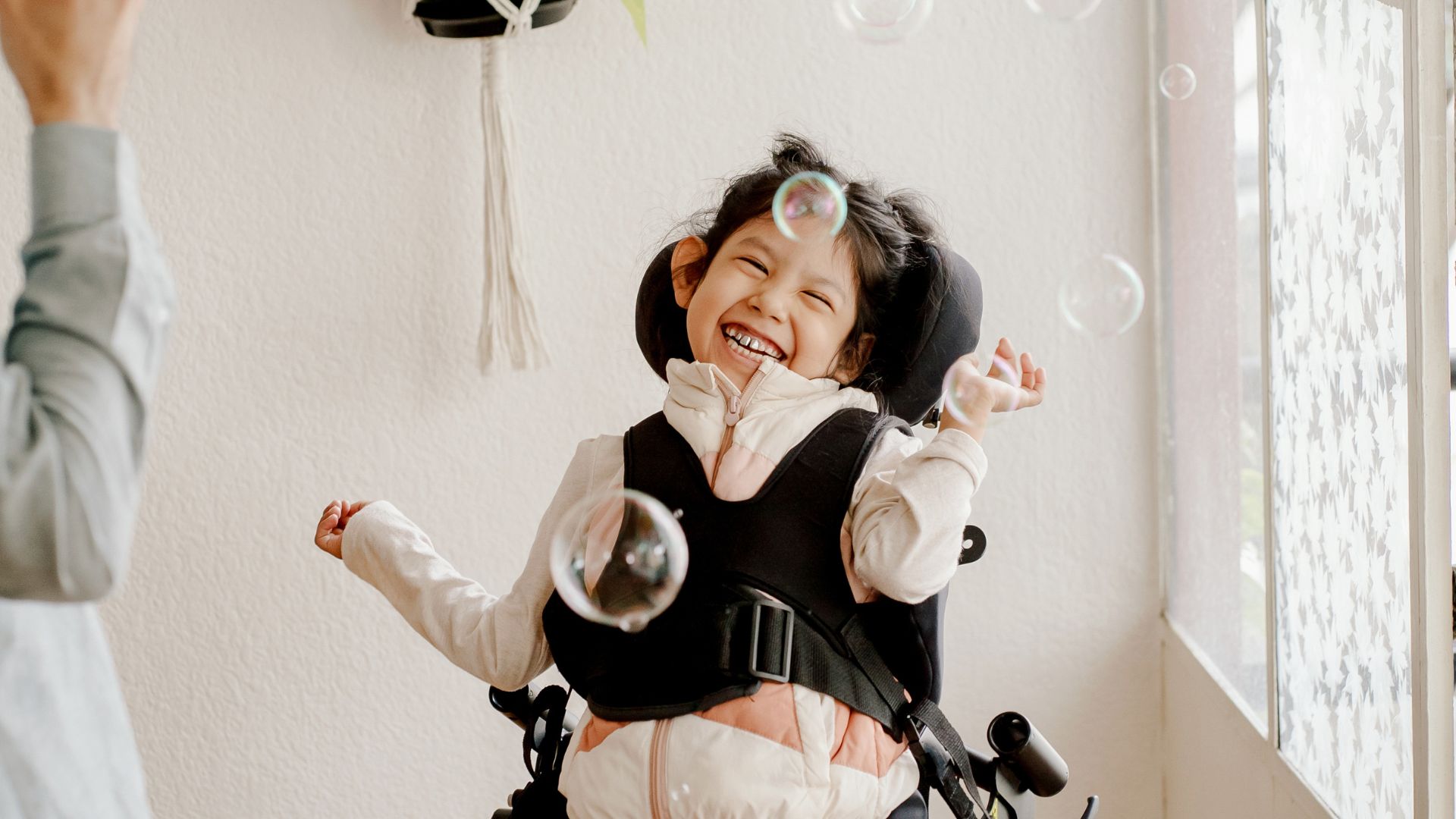
Cerebral palsy results from damage to the developing brain, often occurring before birth or during early infancy. This injury disrupts communication between the brain and muscles, leading to spasticity, muscle weakness, poor coordination, and difficulty with voluntary movement. Although CP does not worsen over time, the effects can become more limiting as children grow and physical demands increase.
Stem cell therapy for cerebral palsy recovery focuses on improving the brain’s internal environment rather than replacing damaged tissue outright. MSCs release anti-inflammatory and neuroprotective factors that help stabilize injured neural pathways, protect existing neurons, and encourage neuroplasticity—the brain’s ability to form new connections. This regenerative support can make rehabilitation therapies more effective and create opportunities for functional gains that were previously difficult to achieve.
How Stem Cell Therapy Supports Cerebral Palsy Recovery
Stem cell therapy for cerebral palsy recovery works primarily through the unique signaling abilities of mesenchymal stem cells. Once administered, MSCs migrate toward areas of inflammation and injury within the nervous system, where they begin releasing growth factors, cytokines, and exosomes that support healing.
These biological signals help calm chronic neuroinflammation, improve blood flow to affected brain regions, and promote healthier communication between nerves and muscles. Over time, this can translate into improved muscle tone, better motor control, and enhanced coordination. Importantly, MSCs also support synaptic repair and adaptive rewiring, which plays a critical role in recovery when combined with consistent physical, occupational, and speech therapy.
What Patients and Families May Experience After Treatment
Recovery following stem cell therapy for cerebral palsy is typically gradual rather than immediate. Many families report early changes such as improved focus, better eye contact, increased engagement, or reduced muscle stiffness within the first few months. These early shifts often signal reduced inflammation and improved neural signaling.
As recovery progresses, longer-term improvements may include enhanced balance, improved gait, greater control over fine motor movements, and clearer speech articulation. Emotional regulation and sleep quality may also improve as the nervous system becomes more stable. Outcomes vary depending on age, severity of cerebral palsy, therapy consistency, and overall health, but many families describe meaningful gains in daily function and independence.
Who May Benefit Most from Stem Cell Therapy for Cerebral Palsy Recovery
Stem cell therapy for cerebral palsy recovery may benefit both children and adults, though younger patients often show stronger neuroplastic responses due to greater brain adaptability. Children who begin regenerative treatment earlier in life may experience more noticeable functional improvements, especially when therapy is integrated with structured rehabilitation programs.
Adults with cerebral palsy can also benefit, particularly through reduced spasticity, improved mobility, pain reduction, and better endurance. Candidates typically include individuals with spastic, athetoid, or mixed CP who retain some neurological responsiveness. A thorough medical evaluation helps determine whether stem cell therapy is appropriate and how it can be integrated safely into an individualized recovery plan.
The Role of Rehabilitation in Maximizing Recovery Outcomes
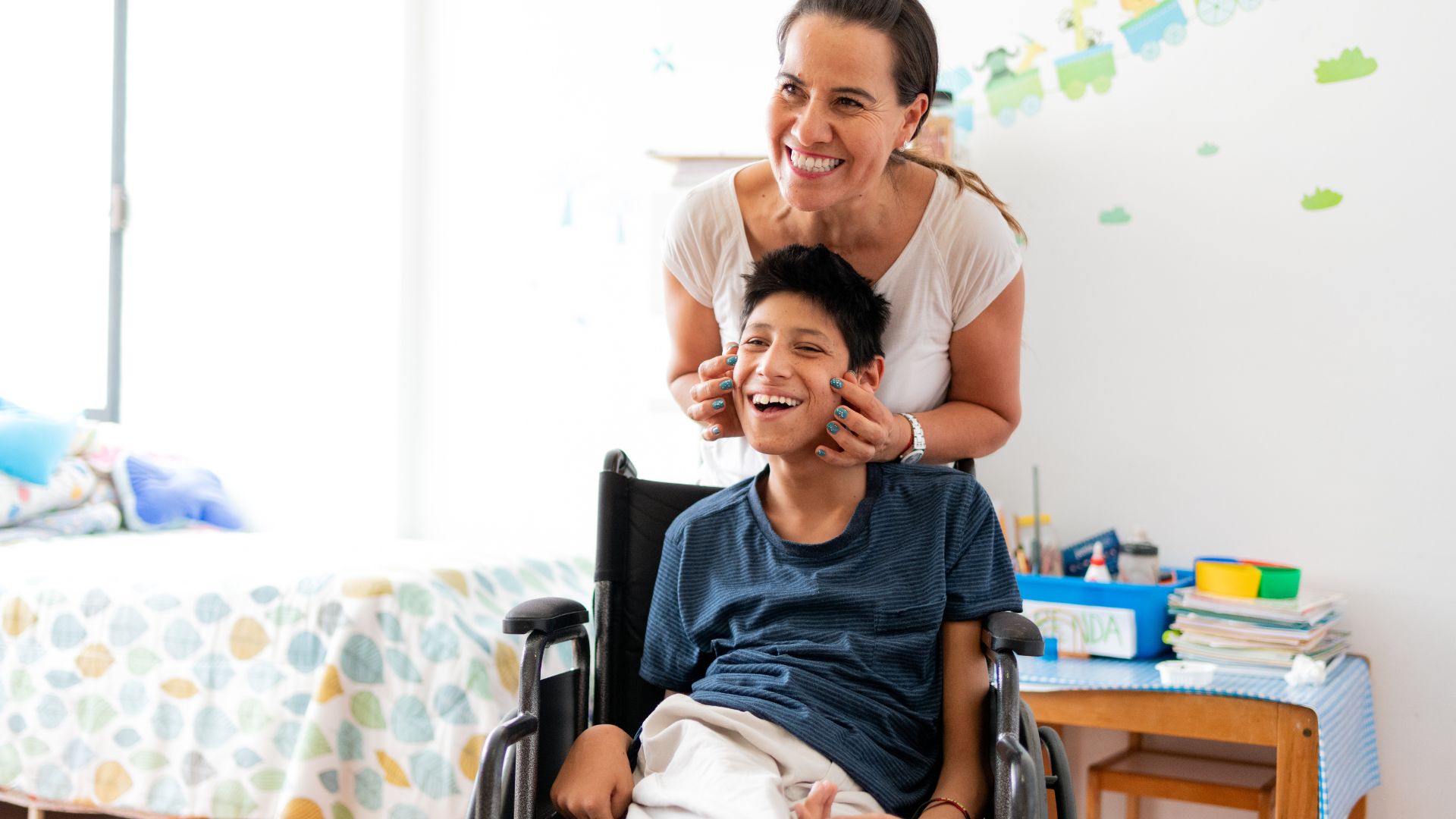
Stem cell therapy for cerebral palsy recovery is most effective when combined with targeted rehabilitation therapies. As stem cells create a more receptive neurological environment, physical therapy, occupational therapy, and speech therapy help reinforce new neural pathways through repetition and skill-building.
Rehabilitation enhances motor learning, strengthens muscles, and improves coordination while stem cells support the biological processes behind those gains. Families who commit to consistent post-treatment therapy often report more sustained and measurable improvements. This integrative approach reflects the future of cerebral palsy care where regenerative medicine and rehabilitation work together to support long-term functional progress.
Take the Next Step Toward Cerebral Palsy Recovery
If you or a loved one is exploring meaningful options beyond traditional cerebral palsy care, stem cell therapy for cerebral palsy recovery may offer a new path forward. At Renova Therapies, our medical team takes the time to understand each patient’s unique condition, goals, and challenges before creating a personalized regenerative treatment plan.
Schedule a confidential consultation with Renova Therapies today to learn how advanced stem cell therapy, combined with supportive rehabilitation, may help improve mobility, function, and overall quality of life. Visit our website or contact our patient care team to begin your journey toward recovery with guidance, transparency, and compassionate medical support.