
Stem Cell Dental Implants in Mexico
Stem Cell Dental Implants in Mexico – Reinforced by Regenerative Stem Cell Therapy
Choosing dental implants in Mexico not only saves money but opens access to advanced regenerative options. Renova Therapies enhances implant outcomes by combining stem cells with biomaterials that support faster healing, better bone integration, and reduced risk of implant failure.
Whether you need All-on-4, All-on-6, or zygomatic implants, stem cell therapy can be applied to strengthen the jawbone, improve gum health, and ensure lasting results.
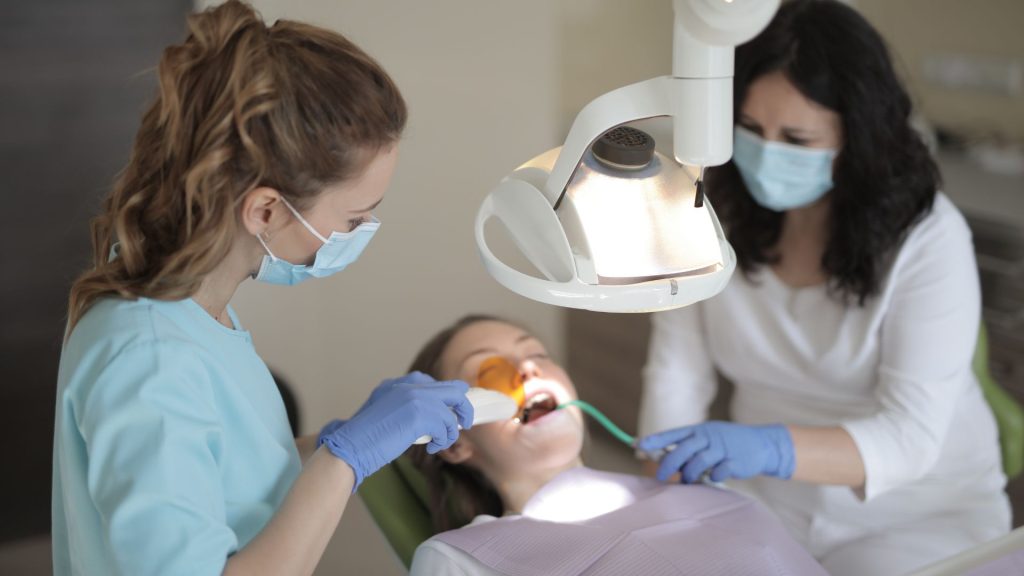
Key Benefits of Stem Cell Dental Implants
- Accelerates post-surgical healing
- Improves bone density and regeneration around implants
- Increases implant success rate and stability
- Reduces inflammation and infection risk
- Ideal for high-risk patients (diabetes, bone loss, smokers)
- Performed in modern clinics in Cancun and Mexico City
We evaluate your bone health, gum condition, and full-mouth needs before designing your regenerative dental plan.
Receive advanced dental care supported by regenerative medicine in two top destinations.
Backed by research and biomaterial science to support long-term implant retention.

+1 888-471-3341
Our Value
Why Choose Renova Therapies for Dental Implants in Mexico?
Common Questions
Frequently Asked Questions About Stem Cell Dental Implants
Stem cell dental implants combine the benefits of traditional titanium or zirconia implants with cutting-edge regenerative medicine. In this approach, mesenchymal stem cells (MSCs)—often derived from Wharton’s jelly or placental tissue—are used to enhance bone healing, accelerate tissue regeneration, and reduce the risk of complications. The implants themselves remain structurally the same, but the addition of stem cell therapy offers a powerful biological boost, particularly for patients with compromised bone or healing capacity.
Dental tourism in Mexico has become increasingly popular due to the combination of world-class care and significantly lower prices. Clinics like Renova Therapies offer access to internationally trained dentists and regenerative medicine specialists at a fraction of what the same procedure would cost in the U.S. or Canada. Furthermore, stem cell–supported treatments are often more accessible in Mexico, where medical innovation is paired with more flexible regulatory frameworks—allowing patients to benefit from advanced therapies that are still limited or unavailable elsewhere.
Mesenchymal stem cells play a critical role in bone remodeling and soft tissue repair. When used during or after dental implant placement, these cells can help regenerate bone in areas with insufficient density, promote faster osseointegration (the fusion of the implant to the jawbone), and reduce inflammation. This not only speeds up healing but can improve long-term implant stability and reduce the risk of failure, making stem cell support an ideal option for both routine and complex cases.
All procedures are performed under strict medical protocols by board-certified dental surgeons and regenerative medicine specialists. The stem cells used are processed in sterile, accredited labs and undergo rigorous quality control to ensure safety and efficacy. In addition to being minimally invasive, stem cell therapy has been studied extensively for its safety profile, with minimal side effects reported in dental and orthopedic applications alike.
While initial healing can begin within just a few days, full recovery and integration of the dental implants typically takes between 3 to 6 months. The inclusion of stem cells may shorten this timeline by stimulating natural repair mechanisms and reducing inflammation. Most patients report less pain and swelling than expected and are able to resume daily activities within a week, with more rapid bone bonding occurring in the background over the following months.
Pricing depends on the complexity of the case and the type of implant being placed. For example, a single implant with regenerative support might range from $2,500 to $4,500, while full-arch restorations like All-on-4 or All-on-6 supported by stem cells could range from $7,000 to $10,000 or more. These rates are significantly more affordable compared to similar procedures in the U.S., where full-arch restorations can exceed $25,000—and they include the added value of regenerative support.
Full-arch restorations like All-on-4 and All-on-6 are excellent candidates for regenerative enhancement. When stem cells are used in conjunction with these advanced implant systems, they help reinforce jawbone integrity, improve soft tissue healing, and support long-term implant success. This is especially important for patients with moderate to severe bone loss, as the biological assistance from stem cells can improve surgical outcomes and reduce the need for extensive grafting.
Compared to conventional implant procedures, stem cell–supported implants offer a distinct biological advantage. The regenerative support helps reduce healing time, lower the chance of infection, and increase the likelihood of long-term stability. Patients with conditions like osteoporosis, periodontal disease, or bone loss often find stem cell therapy to be a game-changer, enabling them to receive implants that might not have been feasible through traditional methods alone.
Many patients are told they aren’t candidates for dental implants due to significant bone loss or active gum disease. However, stem cell therapy can help reverse these challenges by promoting bone regeneration and supporting the repair of soft tissues. At Renova Therapies, a customized regenerative plan is created to address these conditions before or during the implant procedure, allowing even high-risk patients to pursue implant-based solutions successfully.
Stem cell dental implant procedures are currently offered at both our Cancun and Mexico City locations. Each center is fully equipped with advanced regenerative technology and staffed by experienced dental and medical professionals. Patients can choose the location that best suits their travel and recovery preferences, knowing they’ll receive the same high standard of care at either facility.