

Understanding Stem Cell Dental Implants
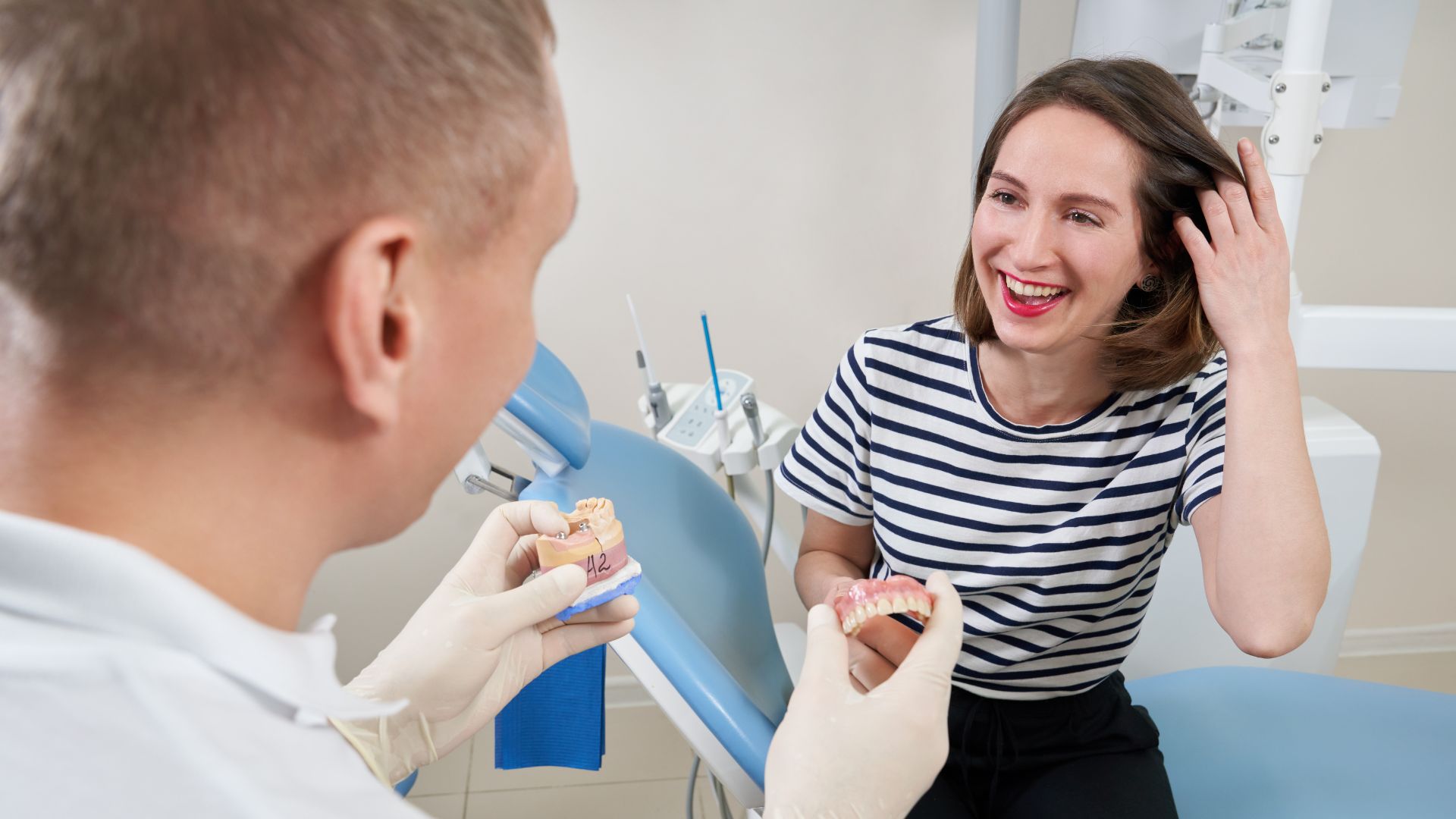
Stem cell dental implants represent one of the most groundbreaking advancements in modern restorative dentistry, merging regenerative medicine with oral reconstruction. Rather than relying exclusively on metal posts, bone grafts, and mechanical osseointegration, this approach uses mesenchymal stem cells for teeth to help the body rebuild bone and soft tissue naturally. These unique stem cells—sourced ethically from bone marrow, adipose tissue, or Wharton’s jelly—possess the ability to transform into different cell types such as osteoblasts (bone cells), fibroblasts, and periodontal ligament cells. Once they are placed into the implant site, they release powerful bioactive molecules that stimulate tissue growth and repair while reducing inflammation. This process promotes faster healing, minimizes the risk of infection, and creates a stronger biological connection between the implant and the natural bone.
This regenerative process marks a clear departure from traditional implantology, which depends entirely on passive integration between titanium and bone. Stem cell dental implants, by contrast, create a living interface capable of adapting to changes over time. This means the surrounding tissues remain healthier and more resilient, resulting in superior function and long-term implant stability. At Renova Therapies, these biologically enhanced techniques form part of a holistic approach to dentistry one that doesn’t just replace missing teeth but restores the underlying biology that supports a healthy, confident smile.
The Science Behind Regenerative Dentistry
The core principle behind regenerative dentistry stem cell implants lies in tissue engineering—a scientific field focused on repairing or replacing damaged biological structures using living cells and biomaterials. In stem cell dental implants, stem cells are combined with biocompatible scaffolds made of collagen, hydroxyapatite, or other naturally derived substances that provide a three-dimensional framework for new tissue growth. These scaffolds, when loaded with growth factors like BMPs (Bone Morphogenetic Proteins) and VEGFs (Vascular Endothelial Growth Factors), create an environment where bone and soft tissue regenerate more effectively. Together, they foster the development of new blood vessels, stronger bone density, and improved gum attachment around the implant.
In clinical practice, mesenchymal stem cells for teeth are applied directly to areas where bone or soft tissue loss has occurred, often under image guidance for precision. These stem cells secrete exosomes and cytokines that communicate with nearby cells, activating the body’s natural healing mechanisms. Over time, this approach doesn’t just fill a defect—it restores biological balance within the mouth, strengthening both bone and soft tissue. Unlike synthetic fillers or mechanical grafts, stem cell regeneration works in harmony with the body, leading to implants that feel more natural and integrate more seamlessly with the jaw structure.
Benefits of Stem Cell Dental Implants
The benefits of stem cell dental implants extend far beyond the capabilities of conventional titanium-based restorations. Patients experience faster bone healing because mesenchymal stem cells for teeth promote cellular regeneration at a molecular level, allowing earlier crown placement and shorter recovery periods. This regenerative ability also leads to enhanced soft-tissue health, creating a more natural gum line and reducing complications like peri-implantitis—a chronic inflammation that can threaten implant longevity. Another major advantage is improved bone density, meaning patients with bone loss often avoid additional grafting procedures.
Moreover, regenerative dental implants have the potential to restore sensory feedback by supporting nerve repair within the jaw, something traditional implants cannot achieve. As the stem cells continue to remodel tissue around the implant, patients experience improved strength, stability, and comfort. The result is a smile that not only looks better but feels biologically integrated—functioning much like a natural tooth. These clinical benefits have made regenerative dentistry stem cell implants one of the most talked-about developments in global dentistry, offering a blend of innovation, functionality, and aesthetic precision.
Where Can I Get Stem Cell Dental Implants?
For those wondering where can I get stem cell dental implants, the answer lies in finding clinics that specialize in regenerative medicine and operate under strict laboratory and medical standards. Unlike conventional dental offices, only a handful of clinics worldwide have the expertise, technology, and licensing required to perform this type of procedure. Renova Therapies stands at the forefront of this field, offering advanced protocols that incorporate ethically sourced and GMP-certified stem cells in a COFEPRIS-regulated facility. This ensures every patient receives treatment that meets the highest global standards of safety and scientific integrity.
Renova Therapies combines regenerative medicine and implantology to create a truly patient-centered experience. Whether you need pre-implant bone regeneration or a complete biologic reconstruction, their multidisciplinary team tailors each plan to your unique anatomy and dental goals. Patients from the U.S. and Canada increasingly travel to Renova’s facilities in Mexico to access this world-class regenerative care at a fraction of U.S. costs—without compromising quality. With its combination of advanced medical infrastructure and compassionate care, Renova Therapies has become one of the leading answers to the question of where can I get stem cell dental implants.
How the Procedure Works
The process of receiving stem cell dental implants involves multiple stages that combine medical precision with regenerative science. First, your dental team performs detailed imaging—such as 3D cone-beam CT scans—to evaluate bone density, structure, and gum health. Then, mesenchymal stem cells for teeth are either harvested from the patient (autologous) or sourced from pre-screened donors (allogeneic). These stem cells are expanded and purified in a GMP-certified laboratory before being combined with biocompatible scaffolds that guide bone and tissue regeneration.
During the implant procedure, the stem cell-loaded scaffold is applied directly to the implant site, where it immediately begins promoting healing and integration. The biological interaction between MSCs and existing tissue helps the bone regenerate faster and more effectively. After several months of recovery, a custom crown is attached to complete the restoration. Patients often notice that their healing phase feels shorter and more comfortable than traditional methods because the regenerative process supports continuous tissue renewal. The end result is a stronger, more natural-feeling tooth replacement that’s built to last for decades.
Costs and Value of Stem Cell Dental Implants

Because of the specialized technology and laboratory preparation involved, stem cells cancun dental implants cost more than conventional ones—but they deliver significantly greater long-term value. While a standard dental implant in the U.S. averages $3,000 to $6,000 per tooth, stem cell–enhanced implants can range from $7,000 to $15,000. The difference reflects the inclusion of biologic materials, GMP processing, and regenerative follow-up care.
At Renova Therapies, patients save between 50–60% compared to U.S. clinics thanks to lower operating costs in Mexico. More importantly, the regenerative benefits—faster healing, fewer complications, and greater durability—often make these implants a lifetime investment in oral health. When considering both functionality and longevity, the value of stem cell implants far outweighs their initial price, especially for patients seeking cutting-edge care with natural, sustainable results.
Why Choose Renova Therapies
Renova Therapies has become a trusted name in regenerative dentistry stem cell implants, offering a combination of scientific innovation, safety, and compassion. Every stem cell used in their procedures is ethically sourced and processed in certified GMP laboratories to ensure the highest purity and effectiveness. The clinic’s specialists integrate regenerative techniques with precise dental imaging, advanced surgical protocols, and post-treatment monitoring to deliver consistent, superior outcomes.
What truly distinguishes Renova Therapies is its patient-centered philosophy. Each case receives individualized attention—from diagnosis to follow-up—and every patient benefits from full transparency about their treatment plan and expected outcomes. Renova’s commitment to ethical care and advanced science makes it one of the most sought-after destinations for patients asking where can I get stem cell dental implants.
The Future of Regenerative Dental Implants
The future of stem cell dental implants is both exciting and transformative. Research is rapidly advancing toward full biological tooth regeneration using stem cell organoids, 3D-printed scaffolds, and bioreactors that could one day grow an entire tooth from a patient’s own cells. These innovations could make dentures and even implants obsolete, replacing them with living, functional teeth that integrate seamlessly into the jaw.
For now, clinics like Renova Therapies represent the cutting edge of this field. By combining current regenerative technologies with proven implant systems, they are already offering patients a glimpse of the future—functional, aesthetic, and biological restoration all in one. As costs decrease and techniques standardize, mesenchymal stem cells for teeth will continue to revolutionize how the world approaches tooth replacement and oral health care.