
Stem Cell Therapy for Long COVID
Regenerative Relief: Stem Cell Therapy for Long COVID
Long COVID symptoms can persist for months after initial infection, affecting energy levels, cognition, breathing, and overall function. Stem cell therapy introduces mesenchymal stem cells (MSCs) into the body to help regulate the immune response, promote tissue repair, and restore balance to key systems impacted by viral inflammation.
Our approach supports recovery in patients with post-viral fatigue, lingering respiratory complications, and systemic dysregulation.
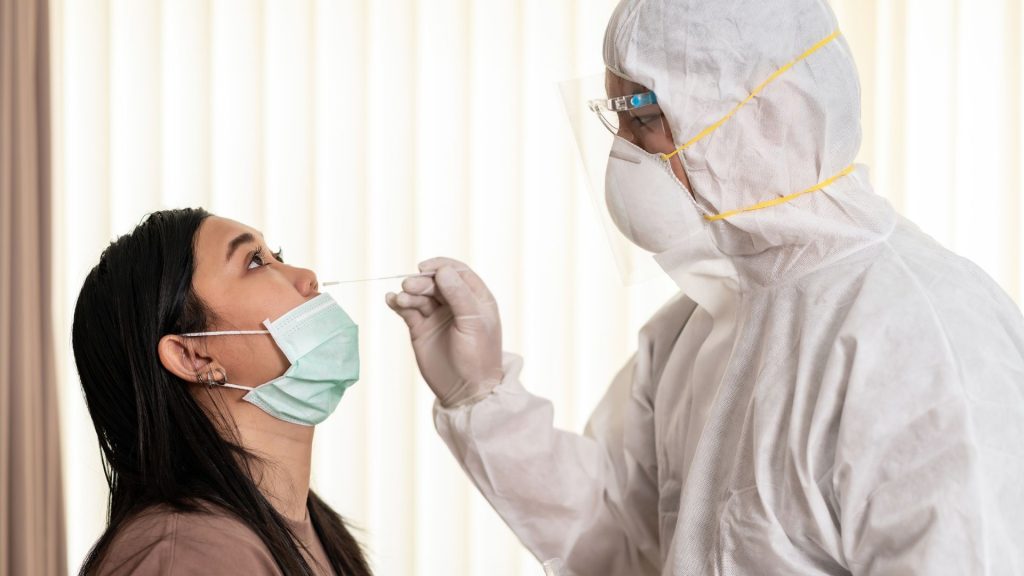
Key Benefits of Stem Cell Therapy for Long COVID
Stem cell therapy for Long COVID helps target the underlying causes of ongoing symptoms not just the symptoms themselves.
- May reduce chronic fatigue and inflammation
- Supports immune system regulation and tissue healing
- May improve cognitive function and reduce brain fog
- Can support respiratory and cardiovascular recovery
- utpatient IV-based therapy no surgery or anesthesia
Many patients report improved daily energy, clearer thinking, and better breathing after treatment.
We evaluate your symptoms, health history, and lab data to determine if stem cell therapy for Long COVID is right for you.
Renova Therapies supports international patients through virtual intake, symptom tracking, and travel planning.
Each plan is tailored to your post-viral presentation, ranging from neurological to respiratory support.

+1 888-471-3341
Our Value
Why Choose Stem Cell Therapy for Long COVID in Mexico?
Common Questions
Frequently Asked Questions About Stem Cell Therapy for Long COVID
Stem cell therapy for Long COVID is a regenerative treatment that uses mesenchymal stem cells (MSCs) to help modulate the immune system, reduce systemic inflammation, and repair tissue damage caused by the body’s prolonged response to COVID-19. Many patients recovering from COVID-19 continue to experience lingering symptoms—such as fatigue, brain fog, or respiratory discomfort—long after the infection has resolved. These symptoms are often driven by immune system dysregulation and microvascular inflammation. MSCs offer a therapeutic solution by calming immune overactivity, enhancing cellular repair, and restoring balance to systems affected by post-viral inflammation. This supportive therapy is aimed at improving energy, cognitive function, respiratory health, and overall vitality in those struggling with Long COVID.
The symptoms addressed by stem cell therapy for Long COVID often include persistent fatigue, shortness of breath, cognitive issues like brain fog, muscle or joint pain, anxiety, sleep disturbances, and autonomic nervous system imbalances. These symptoms are frequently linked to underlying inflammation, tissue damage, and immune dysfunction following the initial viral infection. MSCs work by releasing signaling molecules that reduce inflammatory cytokines, encourage tissue regeneration, and help reestablish normal immune function. Patients undergoing treatment often report a gradual reduction in symptom intensity, improved mental clarity, deeper sleep, and an increased ability to engage in daily activities without debilitating fatigue.
Stem cell therapy for Long COVID is typically administered via intravenous (IV) infusion. This method ensures that mesenchymal stem cells circulate through the bloodstream and can reach affected tissues throughout the body. The procedure is performed in an outpatient clinical setting and does not require surgery or anesthesia. Prior to infusion, patients undergo a detailed health assessment, and the infusion session itself generally takes 60 to 90 minutes. The treatment is non-invasive, and most patients experience minimal discomfort during the procedure. Post-infusion, patients are observed briefly and can return home the same day, resuming normal activities with little to no downtime.
Many patients begin to notice early signs of improvement—such as more stable energy levels, clearer thinking, or less respiratory strain—within 4 to 6 weeks after treatment. These initial benefits typically coincide with a reduction in inflammation and better cellular function. More substantial and lasting improvements often develop over the course of 3 to 6 months as the stem cells continue to support immune modulation and tissue repair. The body’s natural healing pace and the severity of post-COVID symptoms can influence how quickly changes occur. Regular follow-ups and lab testing may help track progress and guide any additional supportive care.
Patient safety is a top priority when administering stem cell therapy, particularly in cases involving complex conditions like Long COVID. At Renova Therapies, mesenchymal stem cells used in treatment are ethically sourced from umbilical tissue and undergo rigorous testing in certified laboratories to ensure they are sterile, viable, and free of contaminants. The infusion is conducted under the supervision of trained physicians in a medically controlled environment. Most patients tolerate the therapy very well, with only mild side effects such as temporary fatigue or soreness at the infusion site. Comprehensive pre-treatment screening helps rule out contraindications and ensures that the therapy is appropriate for each individual’s health profile.
Treatment pricing in Mexico is often more accessible than in other countries, making it a sought-after destination for international patients. At Renova Therapies, the cost of stem cell therapy for Long COVID typically ranges between $5,000 and $9,000 USD. This range depends on the severity of the condition, the number of sessions recommended, and whether additional therapies or evaluations are included. Most packages cover a comprehensive medical consultation, laboratory testing, stem cell preparation, IV infusion, and follow-up care. The clinic also offers concierge support for international patients, including help with travel coordination and post-treatment monitoring.
While stem cell therapy can provide significant relief for many individuals experiencing the long-term effects of COVID-19, it is not classified as a cure. Long COVID is a complex, multi-system condition that varies widely among patients, and full resolution of symptoms may take time. Stem cell therapy acts as a supportive treatment designed to enhance the body’s ability to heal, regulate immune response, and reduce the burden of persistent inflammation. Most patients use this therapy as part of a broader recovery plan that includes rest, rehabilitation, nutritional support, and, when necessary, additional medical interventions aimed at symptom management.
As of now, stem cell therapy for Long COVID is not approved by the U.S. Food and Drug Administration (FDA) for standard clinical use. While research is ongoing, and several trials are investigating the effectiveness of MSCs in treating post-COVID conditions, FDA approval remains pending. Due to this limitation, many patients seek out treatment in countries like Mexico, where licensed medical clinics such as Renova Therapies provide stem cell therapy under strict safety guidelines and clinical supervision. These clinics offer an opportunity for patients to access regenerative care that may not yet be available through conventional channels in their home country.
Rather than serving as a standalone solution, stem cell therapy is most effective when used as part of a broader, integrative care plan. Patients are encouraged to continue working with their primary care providers and specialists to manage individual symptoms, especially in cases involving cardiovascular, respiratory, or neurological complications. Many find that regenerative therapy reduces their dependence on symptom-relief medications or rehabilitative interventions over time. Combining stem cell therapy with lifestyle adjustments—such as improved sleep hygiene, anti-inflammatory nutrition, and mental health support—often leads to the most comprehensive and sustained recovery.
Patients who have been experiencing Long COVID symptoms for 12 weeks or more following their initial infection may be considered candidates for stem cell therapy, particularly if those symptoms are significantly affecting daily life and have not improved with standard treatments. Ideal candidates typically include those with chronic fatigue, cognitive impairment, breathing difficulties, or immune-related complications, and who do not have major contraindications such as active infections or uncontrolled autoimmune diseases. A comprehensive medical evaluation is conducted prior to treatment to determine eligibility, assess current health status, and develop a personalized therapeutic plan tailored to the patient’s needs.