
Stem Cell Therapy for Joint Pain & Osteoarthritis
Joint Conditions Treated with Stem Cell Therapy
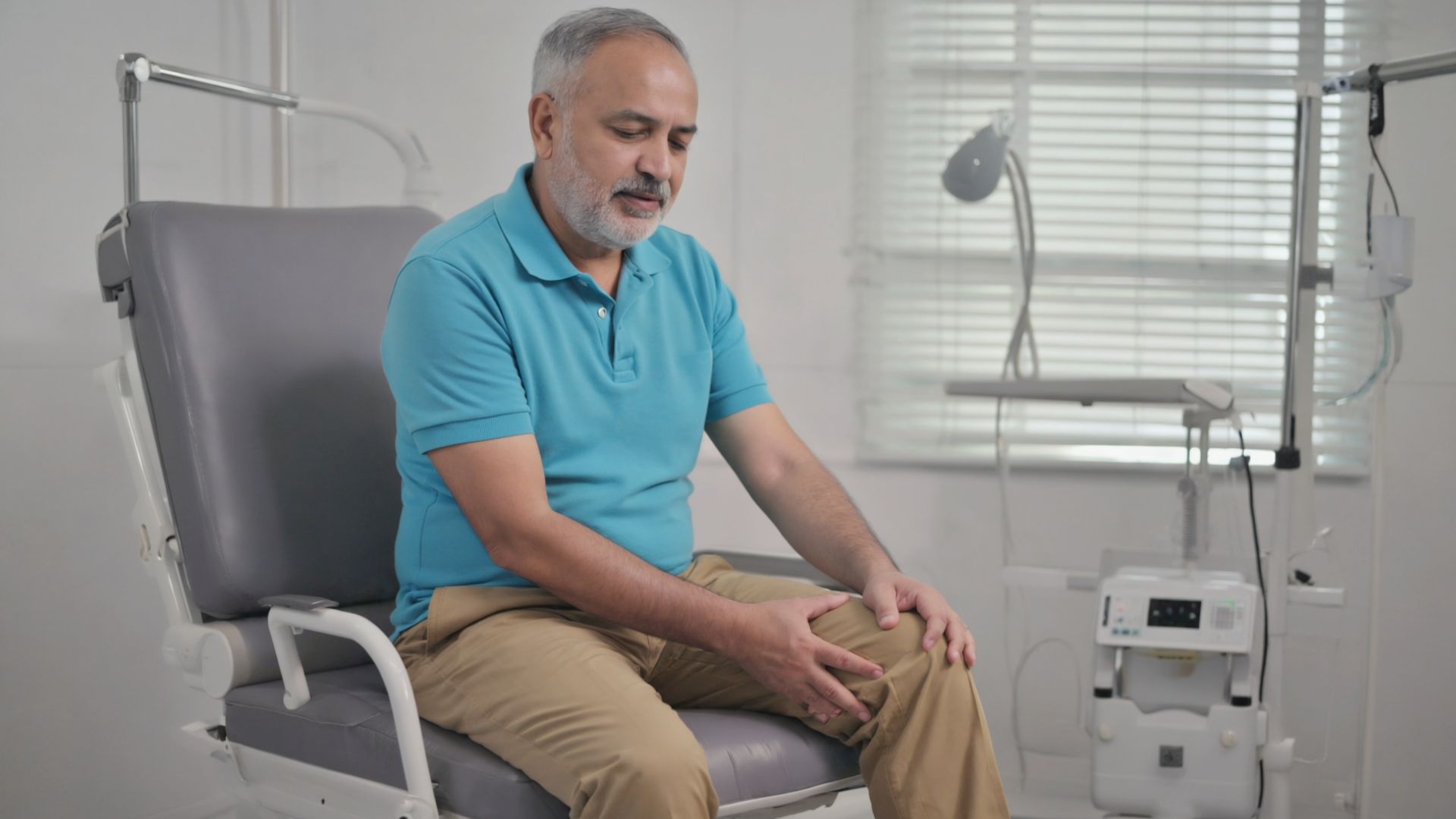
Joint pain can stem from wear-and-tear, autoimmune conditions, or injuries, and traditional treatments often focus on masking symptoms rather than healing the root cause. Stem cell therapy uses mesenchymal stem cells (MSCs) that have the potential to repair damaged tissue, reduce pain, and restore mobility naturally.
Our protocols are personalized, minimally invasive, and clinically backed to support regeneration in major joints including knees, hips, shoulders, and spine. Whether you’re suffering from arthritis-related stiffness or recovering from an injury, stem cells may offer a new path forward.

Key Benefits of Stem Cell Therapy for Joint Pain
- Targets inflammation and repairs joint tissue
- Improves mobility, flexibility, and daily function
- May regenerate cartilage and slow osteoarthritis progression
- Minimally invasive, no general anesthesia required
- Personalized programs for arthritis, injuries, and chronic joint pain
Detailed imaging and orthopedic assessment to determine your suitability for stem cell therapy and design a custom plan.
For U.S. and international patients exploring regenerative care from afar.
Quick scheduling options designed around your availability and travel needs.

+1 888-471-3341
Our Value
Trusted Results in Joint Stem Cell Therapy
Common Questions
FAQs – Stem Cell Therapy for Joint Pain & Arthritis
Stem cell therapy can be used on nearly all major joints—including knees, hips, shoulders, elbows, wrists, spine, and ankles. Whether your pain stems from osteoarthritis, injury, or overuse, regenerative therapy may reduce inflammation, improve joint lubrication, and promote long-term healing.
Yes. When performed in a clinical-grade setting with ethically sourced mesenchymal stem cells (MSCs), the therapy is considered safe and well-tolerated. Our procedures are minimally invasive and avoid the risks of general anesthesia, infection, or extended recovery that come with surgery.
Most patients begin to feel improvements in 4–8 weeks, as inflammation decreases and natural healing takes place. Full benefits typically unfold over 3–6 months as stem cells continue working to rebuild damaged tissue and restore joint function.
In many cases, yes. Patients with moderate to severe joint degeneration often turn to stem cell therapy as a way to delay or completely avoid surgery. By regenerating cartilage and reducing pain, this treatment can improve function without joint replacement.
Yes. Fibromyalgia involves systemic inflammation and nervous system hypersensitivity. Stem cell therapy may help regulate immune activity, reduce overall pain signals, and improve quality of life in patients dealing with complex, widespread symptoms.
Our approach involves a non-surgical, image-guided injection of MSCs directly into the affected joint. The session is outpatient, takes 30–60 minutes, and requires little to no downtime. Most patients resume light activities within 24–48 hours.
Pricing begins at $2,500 USD and varies based on the number of joints treated, the patient’s condition severity, and whether single or multi-phase treatment is recommended. All plans are customized after a full consultation.
Yes. Many active adults and athletes use stem cell therapy to recover from ligament, tendon, or cartilage injuries. Stem cells can accelerate recovery time, reduce swelling, and improve joint stability after damage to the ACL, MCL, or meniscus.
In some cases, yes—especially if you’re recovering from a sports injury or mobility loss. Our team will guide you through a personalized post-treatment care plan, which may include physical therapy, mobility work, or regenerative supplements.
In the U.S., most uses of stem cell therapy are considered investigational and are not FDA-approved. However, stem cell therapy is legally practiced in Mexico under international medical standards. All treatments follow clinical-grade protocols to ensure safety and ethical sourcing.