
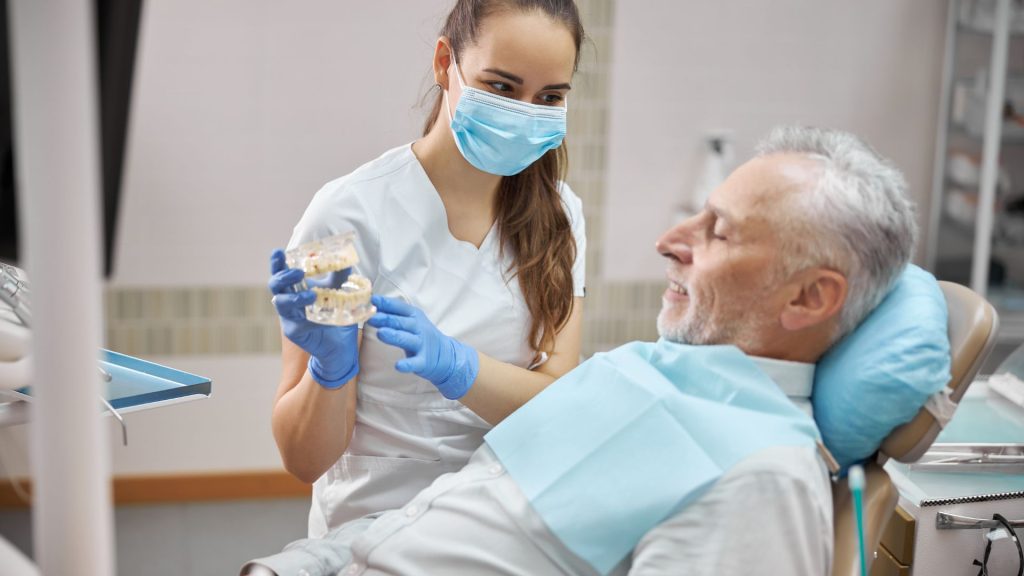
What Defines the Cost of Stem Cell Dental Implants
When it comes to understanding stem cell dental implants cost, several key factors shape the final price of treatment. Unlike standard dental implants, which have relatively predictable pricing, regenerative dental implants incorporate advanced biological components that require specialized materials, scientific expertise, and laboratory-grade preparation. A large portion of the expense stems from stem cell sourcing and processing, as this involves extracting, expanding, and purifying mesenchymal stem cells for teeth from donor tissue or bone marrow, followed by rigorous quality control in GMP-certified facilities. Custom scaffolds and biodegradable carriers are another cost driver, as they must be designed to fit the patient’s defect and optimized to release stem cells and growth factors over time. The complexity of surgery also plays a role patients with severe bone loss, gum recession, or structural defects may require advanced grafting, increasing both the cost and duration of treatment.
In addition, clinical expertise and facility standards heavily influence overall pricing. Clinics like Renova Therapies, which operate within COFEPRIS and GMP regulatory frameworks, must maintain advanced sterilization, imaging, and biologic handling standards. Postoperative monitoring, including follow-up imaging, progress tracking, and potential additional MSC applications, further contributes to the overall investment. Since every patient’s anatomy and regenerative needs are unique, dental stem cell regeneration cannot be priced with a “one-size-fits-all” model. To put it in perspective, a conventional implant in the U.S. may cost between $3,000 and $6,000, while regenerative versions can run higher due to the inclusion of biologic materials and lab work. Still, that additional cost often translates into longer-lasting, more biologically integrated results that minimize the need for future corrective work.
Real-World Cost Ranges & What the Literature Suggests

Because stem cell dental implants cost is still considered cutting-edge, published price data remains limited and variable across clinics and countries. According to early reports from regenerative centers, fully regenerative implant protocols where mesenchymal stem cells for teeth and growth factors are combined with scaffolds can cost anywhere between $20,000 and $50,000 per implant in highly advanced cases. In simpler applications, such as minor bone augmentation or early-stage regeneration, the cost increase is more modest typically 25–70% higher than a standard implant. This wide range reflects differences in laboratory processing, scaffold materials, and the number of regenerative sessions involved. Clinics that invest in advanced biologic protocols naturally have higher operational expenses, which can affect the total cost per patient.
In emerging markets such as Mexico, the cost tends to be lower without sacrificing quality, thanks to reduced overhead and competitive medical tourism pricing. Clinics like Renova Therapies leverage international-grade biologic processing at significantly lower costs than U.S. or European facilities, giving patients access to high-quality regenerative procedures at more attainable prices. As the field of regenerative dental implants matures and production technologies scale, prices are expected to stabilize and potentially drop. However, experts caution that claims of “low-cost regenerative implants” should be viewed critically, as true biologic integration still demands rigorous science and quality oversight.
Why the Added Cost Can Be Worth It
While stem cell dental implants cost more upfront, their long-term advantages can make them a highly worthwhile investment in both oral health and quality of life. The regenerative process goes beyond simply anchoring a prosthetic tooth—it fosters living tissue regeneration that supports the implant biologically, helping it integrate more naturally into the jaw. Mesenchymal stem cells for teeth play a crucial role in stimulating osteogenesis (bone formation), enhancing blood flow, and reducing inflammation around the implant site. This leads to stronger bone attachment, improved gum health, and a lower risk of implant failure or peri-implantitis, one of the most common causes of implant loss in traditional dentistry.
Patients also benefit from the adaptability and longevity of regenerative dental implants. Because these implants encourage living tissue growth, they can better respond to biomechanical changes over time, reducing the risk of micro-fractures or bone resorption that often occurs with rigid, inert materials. In many cases, regenerative implants not only restore function and aesthetics but also help preserve the patient’s natural jaw structure. The result is a biologically active, self-maintaining implant that can outlast conventional systems and deliver greater long-term value—especially when factoring in reduced future maintenance, revision costs, and potential health complications.
How Clinics Like Renova Therapies Approach Pricing
At Renova Therapies, stem cell dental implants cost is determined through a transparent, patient-centered process that prioritizes both safety and individualized care. The clinic conducts comprehensive evaluations, including 3D cone-beam CT scans and detailed bone density analyses, to assess the structural condition of each patient’s jaw. From there, a regenerative plan is developed, specifying the appropriate mesenchymal Stem Cells Mexico for teeth dosage, scaffold type, and biologic support regimen. Every step—from laboratory processing to post-procedure imaging—is included in the quote, ensuring patients understand what contributes to the final cost.
Renova Therapies takes pride in providing clarity rather than generic “package pricing.” Each estimate breaks down costs between traditional implant procedures and the regenerative components, such as stem cell preparation, scaffold design, and biologic monitoring. By adopting a tiered pricing approach, patients can clearly see the difference in value between conventional and regenerative treatments. This transparency builds trust and allows patients to make informed decisions about their care, ensuring the investment in dental stem cell regeneration aligns with both their medical and financial goals.
Factors That Push Cost Higher (or Lower)

Several clinical and biological variables directly influence stem cell dental implants cost, making each patient’s treatment unique. The most significant factor is bone quality—patients with substantial bone loss require more complex scaffolds and higher concentrations of MSCs to rebuild the structure effectively. Likewise, gum health and tissue density play a role; cases involving soft-tissue regeneration or sinus lifts add procedural steps and material costs. The source of mesenchymal stem cells for teeth also affects pricing. For instance, autologous (self-derived) cells involve harvesting and processing steps, while donor-derived or dental pulp cells can be more readily available but still demand high regulatory oversight.
Geographic location and clinic regulation standards are additional cost influencers. In countries like Mexico, clinics operating under COFEPRIS guidelines can provide world-class regenerative care at lower prices than U.S. or European counterparts. Conversely, clinics in metropolitan areas with advanced lab infrastructure and biologic certification may charge more due to higher operating costs. On the lower end, patients with banked stem cells or minimal bone defects can expect to pay less, as the procedure may require fewer biologic materials. Over time, as manufacturing technologies improve and regenerative dental implants become more standardized, these prices are expected to moderate and become more widely accessible.
Insurance, Financing & ROI Considerations
Despite growing clinical interest, most insurance providers still classify stem cell dental implants cost as an elective or experimental treatment, meaning it typically falls outside standard coverage. This makes out-of-pocket payment the most common route for patients pursuing regenerative dentistry. However, leading clinics like Renova Therapies often provide flexible financing options, phased treatment plans, or medical credit partnerships to make the investment more manageable. Patients can also benefit from bundling procedures—such as bone grafting and implants—under a single financing plan to optimize costs.
When evaluating cost, patients should consider the concept of “return on investment.” While initial pricing is higher than traditional implants, the longevity and reduced risk of complications can save money in the long term. Fewer revision surgeries, decreased bone resorption, and better gum health translate into fewer follow-up expenses. Additionally, the durability of dental stem cell regeneration means patients are less likely to face the need for replacement implants later in life, preserving both financial and biological value. Clinics like Renova Therapies often help patients calculate a cost-benefit projection, showing how regenerative implants can become more cost-effective over a 10- to 20-year horizon compared to standard options.
Realistic Expectations & Caveats
Patients considering stem cell dental implants cost should have a balanced understanding of both the opportunities and limitations of regenerative dentistry. While the results so far are highly encouraging, the science behind full biological tooth regeneration is still evolving. Current Stem Cells In Mexico applications mainly aim to improve osseointegration and tissue regeneration around implants rather than grow a completely new tooth. Long-term data spanning multiple decades is still being collected, meaning results may vary depending on patient health, bone structure, and adherence to post-operative care.
That said, early outcomes and case studies strongly suggest that regenerative dental implants provide significant advantages for patients with complex dental needs, including those with low bone density or failed previous implants. By enhancing bone and gum healing biologically, these procedures can increase success rates and reduce long-term complications. Patients should also seek multiple opinions and ensure that their chosen clinic operates within regulated standards like COFEPRIS and GMP certification. With the right provider, the regenerative approach can offer not only an advanced treatment option but also a truly long-term investment in oral health and function.