

Where Can I Get Stem Cell Treatment for Knee?
When searching for where can I get stem cell therapy for knee, many patients find themselves overwhelmed with information, conflicting advice, and uncertainty about which clinics to trust. Knee pain is one of the most common musculoskeletal problems, often caused by arthritis, cartilage degeneration, ligament injuries, or overuse. Traditional medical approaches such as steroid injections, physical therapy, and even knee replacement surgery often provide only partial or temporary relief. Stem cell therapy, however, has emerged as a powerful alternative. This regenerative treatment doesn’t just mask symptoms; it addresses the root causes of joint pain by promoting actual tissue repair, reducing inflammation, and restoring function.
At Renova Therapies, patients receive advanced, non-surgical regenerative medicine solutions designed specifically to restore mobility and quality of life. By using mesenchymal stem cells for knee arthritis and other orthopedic conditions, Renova’s medical team delivers personalized care that helps patients avoid invasive surgery while achieving long-lasting relief. If you’re wondering where you can access safe, effective, and ethical stem cell therapy for knee pain, this guide will cover everything you need to know.
Understanding Stem Cell Therapy for Knee Pain
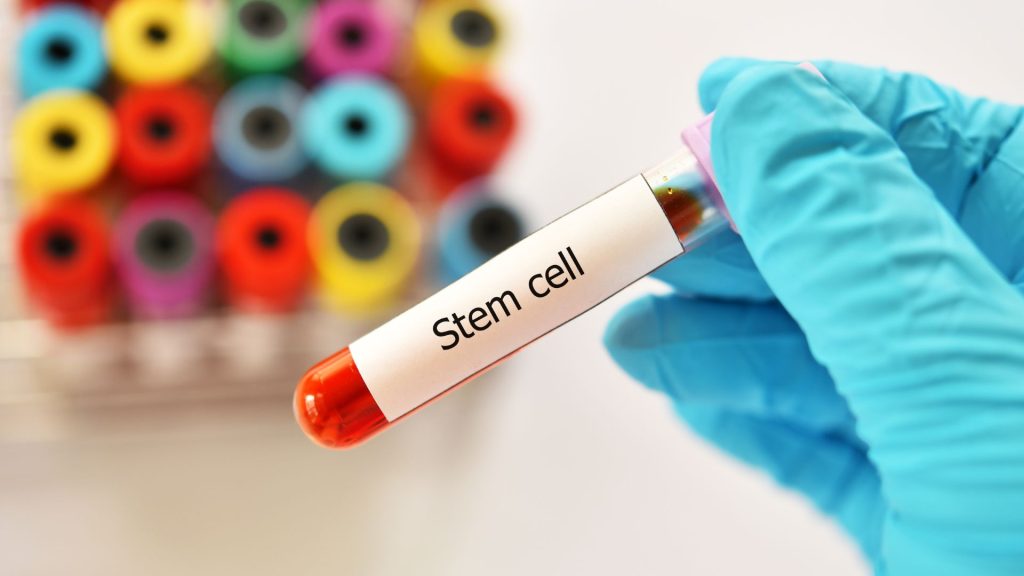
Stem cell therapy for the knee represents one of the most advanced approaches in modern regenerative medicine. Unlike temporary pain-relief options, this treatment targets the root causes of joint discomfort by repairing damaged tissue and restoring function at the cellular level. It works by using mesenchymal stem cells (MSCs), which are ethically derived from Wharton’s jelly and placental tissue. These specialized cells carry the remarkable ability to transform into cartilage, bone, or connective tissue, making them ideal for repairing the wear and tear commonly seen in arthritic or injured knees. More importantly, MSCs don’t just regenerate tissue; they release powerful signaling molecules that reduce inflammation, regulate immune responses, and stimulate the body’s own healing processes in ways that traditional medicine cannot replicate.
For patients living with constant stiffness, swelling, or limited mobility, the appeal of stem cell injections for knee pain lies in their minimally invasive nature and long-lasting results. Unlike joint replacement surgery, which requires extensive recovery and carries significant risks, stem cell therapy is performed in an outpatient setting with little downtime. Advanced imaging ensures that the injections are delivered precisely where needed, targeting the damaged cartilage or inflamed joint structures. Many patients report meaningful improvements in mobility and comfort within weeks, often regaining the ability to walk longer distances, exercise, or return to hobbies without the heavy reliance on pain medications. This makes stem cell therapy not just a treatment option but a genuine opportunity for people to reclaim their independence and quality of life.
Who Can Benefit from Stem Cell Therapy for Knees?
Knee pain is one of the most widespread musculoskeletal issues, and it doesn’t discriminate by age. From athletes who suffer from meniscus tears to older adults dealing with degenerative arthritis, the range of people seeking relief is broad. Stem cell therapy offers a viable option for those who have exhausted conservative treatments like physical therapy, cortisone injections, or anti-inflammatory medications but are not ready or willing to undergo joint replacement surgery. Ideal candidates include individuals with moderate to severe knee arthritis, recurring tendon or ligament injuries, or chronic inflammation that makes daily activities increasingly difficult. Because this therapy is minimally invasive, it appeals to patients who want a safer alternative to surgery without compromising long-term results.
At Renova Therapies, the process always begins with a thorough consultation and evaluation. The medical team carefully reviews each patient’s medical history, imaging results, and lifestyle goals to determine eligibility for regenerative therapy. This ensures the treatment plan is customized to address the specific source of pain rather than applying a one-size-fits-all approach. Patients in good overall health who are motivated to restore mobility and reduce dependency on medications often achieve the best outcomes. By focusing on patient-centered care, Renova makes regenerative medicine accessible to people who may have thought their only option was to manage pain indefinitely or commit to a surgical solution.
Mesenchymal Stem Cells for Knee Arthritis

Among the many causes of knee pain, arthritis remains the most common and debilitating. In osteoarthritis, the protective cartilage that cushions the joint gradually wears away, leaving bones to grind against each other. This leads to stiffness, swelling, and constant discomfort that worsens with activity. Traditional options such as nonsteroidal anti-inflammatory drugs (NSAIDs), hyaluronic acid injections, or even knee replacement surgery do little to address the core issue: the loss of cartilage and the chronic inflammation that drives the condition forward. As a result, patients often find themselves cycling through treatments that provide only temporary relief.
Mesenchymal stem cells for knee arthritis offer a fundamentally different solution by repairing and regenerating cartilage instead of simply managing symptoms. MSCs release bioactive molecules that stimulate cartilage-producing cells, restore hydration in the joint, and reduce immune activity that accelerates degeneration. Patients often report improved lubrication, reduced stiffness, and a greater ability to engage in physical activities without pain. For many, these results translate into delaying or avoiding invasive joint replacement altogether. This regenerative approach doesn’t just change how arthritis is managed it redefines the possibilities for long-term joint health and mobility.
How Stem Cell Injections for Knee Pain Work
One of the reasons patients increasingly ask about stem cell therapy for Knees is its simplicity and safety compared to surgery. At Renova Therapies, the process begins with a detailed consultation and imaging tests, such as X-rays or MRIs, to identify the precise location of damage. Once a treatment plan is established, mesenchymal stem cells are carefully prepared under strict laboratory conditions to ensure maximum potency and safety. These cells are then delivered directly into the damaged joint using ultrasound or fluoroscopy guidance, guaranteeing accuracy and effectiveness.
The procedure is performed on an outpatient basis, and most patients are able to return home the same day. Mild soreness at the injection site is common, but downtime is minimal, with many resuming light activities within 24–48 hours. Because stem cells work gradually to repair and restore tissue, improvements tend to appear over weeks rather than days. Patients often describe a progressive reduction in pain, increased flexibility, and improved function, with maximum benefits becoming clear three to six months after treatment. This gradual but steady improvement stands in stark contrast to the quick but short-lived relief offered by steroid injections.
Comparing Stem Cell Therapy to Traditional Knee Treatments
When weighing options for knee pain, it’s important to understand how regenerative medicine differs from conventional treatments. Pain medications and cortisone injections can provide temporary relief, but they do not address cartilage loss or tissue damage. Physical therapy can strengthen surrounding muscles and improve stability, but it cannot regenerate joint structures. On the other hand, knee replacement surgery may provide lasting results but comes with significant risks, including infection, blood clots, and lengthy rehabilitation.
Stem cell therapy stands out because it combines the long-term benefits of healing with the low risk of a minimally invasive procedure. Patients are not forced to choose between temporary symptom management or invasive surgery; instead, they can pursue a middle ground that prioritizes natural repair and long-term mobility. This is why more individuals are turning to stem cell injections for knee pain as a practical, safe, and effective option.
Benefits of Choosing Stem Cell Therapy for Knee Pain

The benefits of stem cell therapy extend far beyond simple pain relief. Patients frequently report improved range of motion, reduced inflammation, and a greater ability to engage in everyday activities without discomfort. Because the treatment repairs tissue rather than masking symptoms, the results often last longer than those of traditional methods. By leveraging the body’s natural ability to heal, patients can experience meaningful changes in joint health without becoming dependent on medications or invasive interventions.
At Renova Therapies, the emphasis is on restoring independence and quality of life. Many patients who once struggled with walking, exercising, or even standing for long periods are able to return to active lifestyles. The combination of non-surgical treatment, natural healing, and sustained results has made regenerative medicine an appealing choice for those who want to take control of their joint health. Stem cell therapy is more than a medical treatment; it is an opportunity to regain confidence in movement and enjoy a more active future.
Why Choose Renova Therapies for Stem Cell Treatment?
Deciding where to get stem cell treatment for the knee is just as important as the therapy itself. Not all clinics follow the same safety standards or use the same quality of stem cells. Renova Therapies sets itself apart through its commitment to ethical sourcing, strict laboratory practices, and a team of specialists dedicated to regenerative medicine. Patients can trust that they are receiving the highest-quality mesenchymal stem cells, processed for maximum effectiveness and safety.
In addition to medical expertise, Renova emphasizes a compassionate, patient-centered approach. Each treatment plan is designed to meet the unique needs of the individual, ensuring the best possible outcomes. With advanced imaging technology, precise injection techniques, and ongoing support after the procedure, Renova Therapies provides a level of care that goes beyond the standard. This combination of science, safety, and personal attention makes the clinic a leader in regenerative medicine and a trusted partner for patients seeking real, lasting solutions for knee pain.

Frequently Asked Questions: Where Can I Get Stem Cell Treatment for Knee?
How long does it take to see results from stem cell therapy for knee pain?
Patients undergoing stem cell therapy for knee pain often begin noticing small but meaningful changes in their mobility and discomfort levels within the first few weeks. These early improvements are usually linked to the anti-inflammatory properties of mesenchymal stem cells, which help calm swelling and irritation inside the joint. Over time, as the cells continue their work, patients experience progressively greater benefits.
The most significant improvements typically appear between three to six months after treatment. This window allows the injected stem cells to stimulate tissue repair, rebuild cartilage, and restore lubrication within the knee joint. For many individuals, the relief is not only long-lasting but also life-changing, as they regain the ability to walk, climb stairs, and perform daily activities with reduced or no pain.
Can stem cell therapy replace knee replacement surgery?
Stem cell therapy has emerged as a powerful alternative for individuals who are not ready to undergo invasive knee replacement surgery. Instead of removing and replacing the joint with an artificial implant, stem cells target the underlying issue by repairing damaged cartilage and reducing chronic inflammation. This approach can slow down the progression of arthritis, restore natural movement, and often delay the need for surgery altogether.
For many patients, regenerative medicine offers a chance to extend the lifespan of their natural joint and maintain mobility without the risks and recovery time associated with surgery. While those with severe, bone-on-bone arthritis may eventually require a replacement, stem cell therapy can provide years of meaningful relief and, in some cases, eliminate the need for surgery altogether.
Are mesenchymal stem cells for knee arthritis safe?
Mesenchymal stem cells (MSCs) have been studied extensively for their safety and therapeutic benefits. These cells are considered “immune-privileged,” which means they are naturally well-tolerated by the body and carry little risk of rejection or adverse reaction. They are ethically sourced from placental tissue and Wharton’s jelly, ensuring that the cells are both safe and obtained responsibly.
When administered by trained professionals in a clinical setting, MSC therapy is generally regarded as low-risk. The strict medical standards in clinics like Renova Therapies ensure that every dose is carefully processed for purity and potency. This level of precision and oversight makes stem cell therapy a safe and reliable option for patients struggling with knee arthritis.
How does stem cell therapy compare to cortisone injections?
Cortisone injections have been widely used for decades to provide temporary relief from knee pain and swelling. While effective in the short term, their benefits usually fade within weeks or months, and repeated use can weaken tissues over time. This makes cortisone more of a band-aid solution than a true treatment for joint damage.
Stem cell therapy, on the other hand, goes beyond symptom relief by stimulating repair at the cellular level. Instead of masking inflammation, MSCs encourage new cartilage growth, restore joint lubrication, and regulate the immune response that contributes to ongoing pain. Patients often find that stem cell injections provide a more sustainable path to recovery, reducing the cycle of flare-ups and dependence on temporary fixes.
Will I need multiple stem cell injections?
The number of stem cell treatments needed varies from patient to patient, depending on the extent of joint damage and the body’s natural healing response. Some individuals achieve long-term relief after a single session, experiencing steady improvements in mobility and pain reduction for months or even years.
Others, particularly those with advanced arthritis or extensive tissue damage, may benefit from follow-up treatments. At Renova Therapies, the medical team tailors each plan to the individual’s condition and monitors progress closely to determine whether additional injections would enhance long-term outcomes.
Are there risks with stem cell therapy for knees?
Stem cell therapy for knees is generally considered very safe, especially when performed in a licensed medical facility using ethically sourced and carefully prepared cells. The most common side effects are minor and temporary, such as mild soreness, swelling, or stiffness at the injection site, which usually resolve within a few days.
Serious complications are rare, and the risk of infection or adverse reaction is extremely low when standard protocols are followed. The key factor in minimizing risks lies in choosing a reputable clinic with experienced professionals who prioritize safety, quality, and patient care throughout the treatment process.
Can stem cell therapy help with meniscus or ligament injuries?
Soft tissue injuries like meniscus tears or ligament strains are particularly well-suited for regenerative treatments. Stem cells release growth factors that help accelerate healing, reduce inflammation, and strengthen the structural integrity of damaged tissues. For patients with partial tears or chronic injuries that haven’t healed fully, stem cell therapy offers a chance to recover without resorting to surgery.
By targeting the injury site directly, MSCs encourage natural tissue regeneration. This means that instead of simply patching up damage, the therapy supports the body’s ability to restore healthy function. Athletes, active individuals, and those with repetitive strain injuries often see improved stability, reduced pain, and a quicker return to their regular routines.
Is stem cell therapy covered by insurance?
At present, most insurance providers, including Medicare, classify stem cell therapy for knee pain as investigational or experimental. This classification means the treatments are not yet included in standard coverage policies, leaving patients to pay for the procedure out of pocket. While this may seem discouraging, many patients view the investment as worthwhile given the long-term benefits.
The situation is evolving, however, as more clinical research demonstrates the safety and effectiveness of regenerative medicine. Over time, insurance companies may begin to recognize the cost-saving potential of treatments that reduce the need for expensive surgeries, medications, or hospitalizations. Until then, specialized clinics often provide financing options to make care more accessible.
How soon can I return to normal activities after treatment?
One of the advantages of stem cell therapy is the minimal downtime compared to surgery. Most patients are able to resume light activities such as walking or desk work within 24 to 48 hours of the injection. This quick recovery makes it a practical choice for people with busy schedules or those who cannot afford extended time off work.
Gradual improvement continues over the following weeks, allowing patients to slowly reintroduce more strenuous activities such as exercise or sports. By the three-month mark, many individuals report not only a reduction in pain but also greater strength and flexibility in the treated knee, supporting a return to a more active lifestyle.
Why should I choose Renova Therapies for knee treatment?
Selecting the right clinic plays a critical role in the success of stem cell therapy. Renova Therapies distinguishes itself by combining advanced medical expertise with compassionate, patient-focused care. The clinic uses only ethically sourced mesenchymal stem cells from Wharton’s jelly and placental tissue, ensuring both safety and efficacy for every treatment.
Beyond the quality of the therapy itself, Renova offers a comprehensive approach that includes detailed evaluations, personalized treatment plans, and ongoing follow-up support. Patients are treated with respect, professionalism, and genuine care, making Renova Therapies a trusted destination for those seeking long-term relief and improved mobility through regenerative medicine.